
Engines That Run Clean and Last Longer
Oil Changes in Salisbury for routine maintenance, engine protection, and long-term reliability
Oil loses its ability to suspend contaminants and lubricate moving parts after prolonged exposure to combustion heat and pressure. Routine oil changes using manufacturer-recommended products prevent sludge buildup on valve trains and piston rings, maintaining oil pressure and reducing internal friction that accelerates wear. Triple-D Mobile Repair Service replaces oil filters and inspects basic vehicle systems during service across Salisbury, identifying potential issues like leaking gaskets or low coolant levels before they escalate into major repairs.
Oil service involves draining used fluid, replacing the filter to restore full flow capacity, and refilling with oil viscosity matched to your engine's specifications and operating conditions. During the process, fluid levels, belt condition, and visible leaks receive attention, catching problems early when repairs remain manageable. Diesel vehicles require oil formulations with higher detergent content to handle soot and combustion byproducts, while gasoline engines use lighter-weight oils optimized for fuel efficiency.
Request an oil change appointment to maintain your engine's performance and extend its operational lifespan.
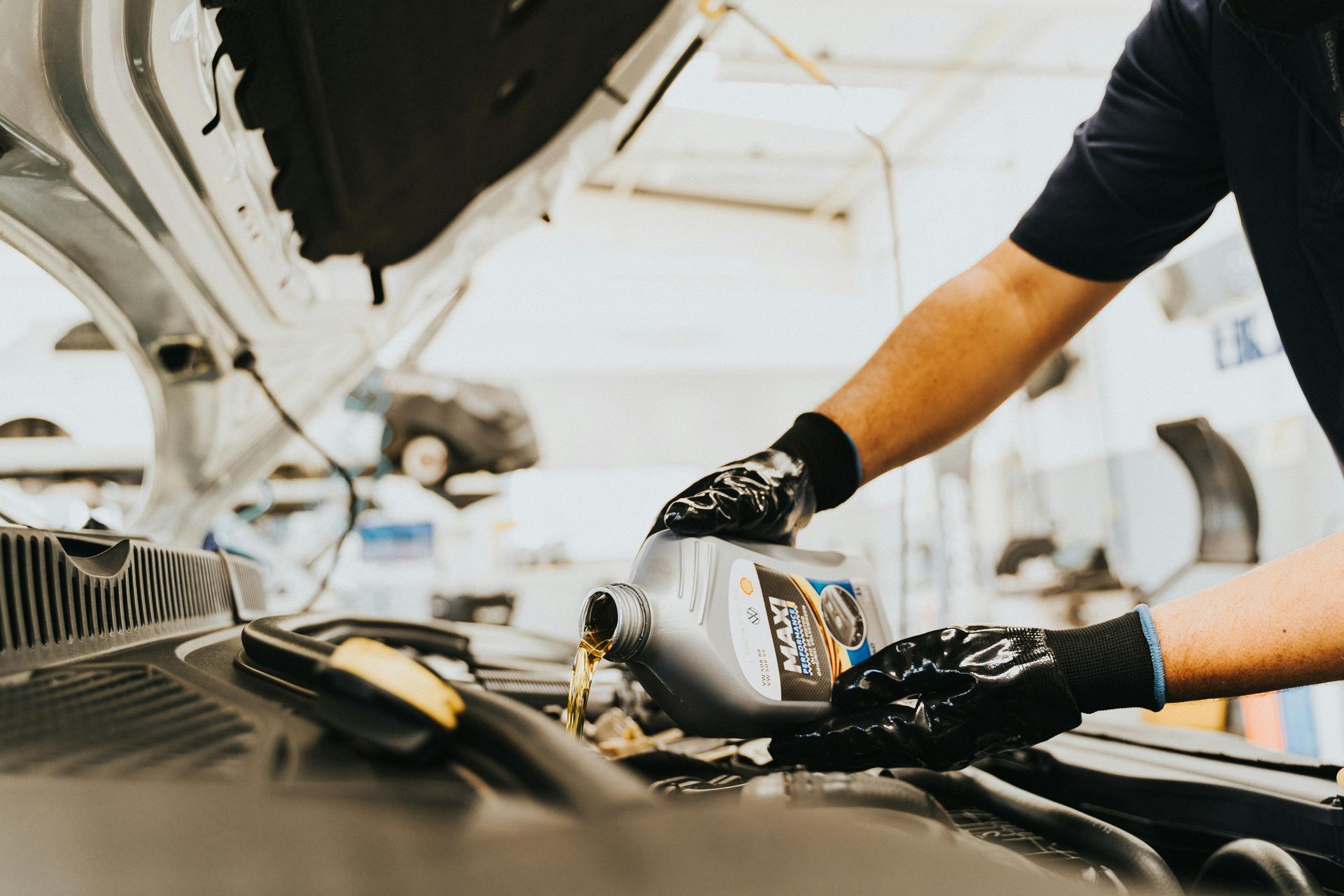
What Routine Oil Maintenance Actually Accomplishes
Fresh oil restores the thin barrier between metal surfaces that prevents direct contact during operation, keeping piston rings sealed and valve trains moving freely without excessive friction. Engines run quieter after an oil change because clean lubricant dampens valve clatter and reduces the grinding noise caused by contaminated fluid. Oil pressure stabilizes at normal operating levels, and dashboard warning lights related to low pressure or maintenance intervals reset once service completes.
Regular oil changes support maintenance schedules for gasoline and diesel vehicles, each with different service intervals based on fuel type and operating conditions. Engines subjected to short trips, towing, or stop-and-go driving accumulate contaminants faster than highway-driven vehicles, requiring more frequent fluid replacement. Skipping intervals allows sludge to form on internal components, restricting oil passages and starving bearings of lubrication during high-demand operation.
Oil filters trap metal particles, carbon deposits, and combustion residue that circulate through the engine, but once the filter media saturates, contaminants bypass directly into the oil supply. Replacing the filter during every change ensures debris doesn't recirculate and scratch cylinder walls or bearing surfaces. Inspection during service identifies leaks, worn belts, and fluid level discrepancies that indicate developing problems worth monitoring.
Common Questions About Oil Change Service
Oil maintenance varies based on engine type, driving habits, and manufacturer recommendations, so understanding what affects service intervals helps protect your vehicle investment.
How often should you change oil in vehicles driven primarily around Salisbury?
Short trips without sustained highway speeds prevent oil from reaching full operating temperature, accelerating moisture contamination and requiring changes closer to three thousand miles instead of longer intervals.
What happens if you exceed the recommended oil change interval?
Sludge forms on internal engine components, oil loses viscosity and protective additives break down, increasing friction and wear that shortens engine lifespan significantly.
Does synthetic oil extend the time between changes?
Synthetic formulations resist thermal breakdown longer than conventional oil, allowing extended intervals in some engines, but manufacturer specifications and driving conditions still determine appropriate change frequency.
Why does oil turn black quickly after a change?
Diesel engines produce soot that darkens oil rapidly, and detergent additives intentionally suspend contaminants in the fluid, so color alone doesn't indicate oil failure as long as intervals remain consistent.
What else gets inspected during an oil change?
Coolant levels, brake fluid condition, belt wear, visible leaks, and tire pressure all receive attention, providing a regular opportunity to catch maintenance needs before breakdowns occur.
Triple-D Mobile Repair Service follows maintenance schedules that match your engine's requirements and operating conditions, helping you avoid premature wear and unexpected failures. Schedule your next oil service to keep your engine running efficiently and reliably.