
Cooling Systems Built for Summer Heat
Auto AC Repair in Salisbury for vehicles with weak airflow and cabin temperature problems during Maryland summers
When your AC blows warm air during July humidity or produces weak airflow that barely reaches rear passengers, the problem typically originates in one of three areas: refrigerant loss through system leaks, compressor failure that prevents pressure cycling, or blower motor issues affecting air delivery. Triple-D Mobile Repair Service diagnoses heating and cooling system failures in Salisbury, addressing the component faults that leave drivers uncomfortable during the extended heat season Maryland experiences from May through September. You'll notice the difference immediately when repaired systems deliver the air volume and temperature drop that factory specifications require.
AC diagnosis begins with measuring system pressures on both high and low sides, then comparing those readings against temperature and humidity conditions to determine whether refrigerant charge is correct, whether the compressor is building adequate pressure, and whether airflow restrictions are preventing heat exchange. Unusual noises during AC operation—squealing, grinding, or clicking—indicate bearing failure in the compressor or blower motor, while gradual cooling loss over weeks suggests slow refrigerant leaks at hose connections or through the evaporator core.
Arrange an AC system inspection to identify specific component failures before summer temperatures make vehicle interiors unbearable.
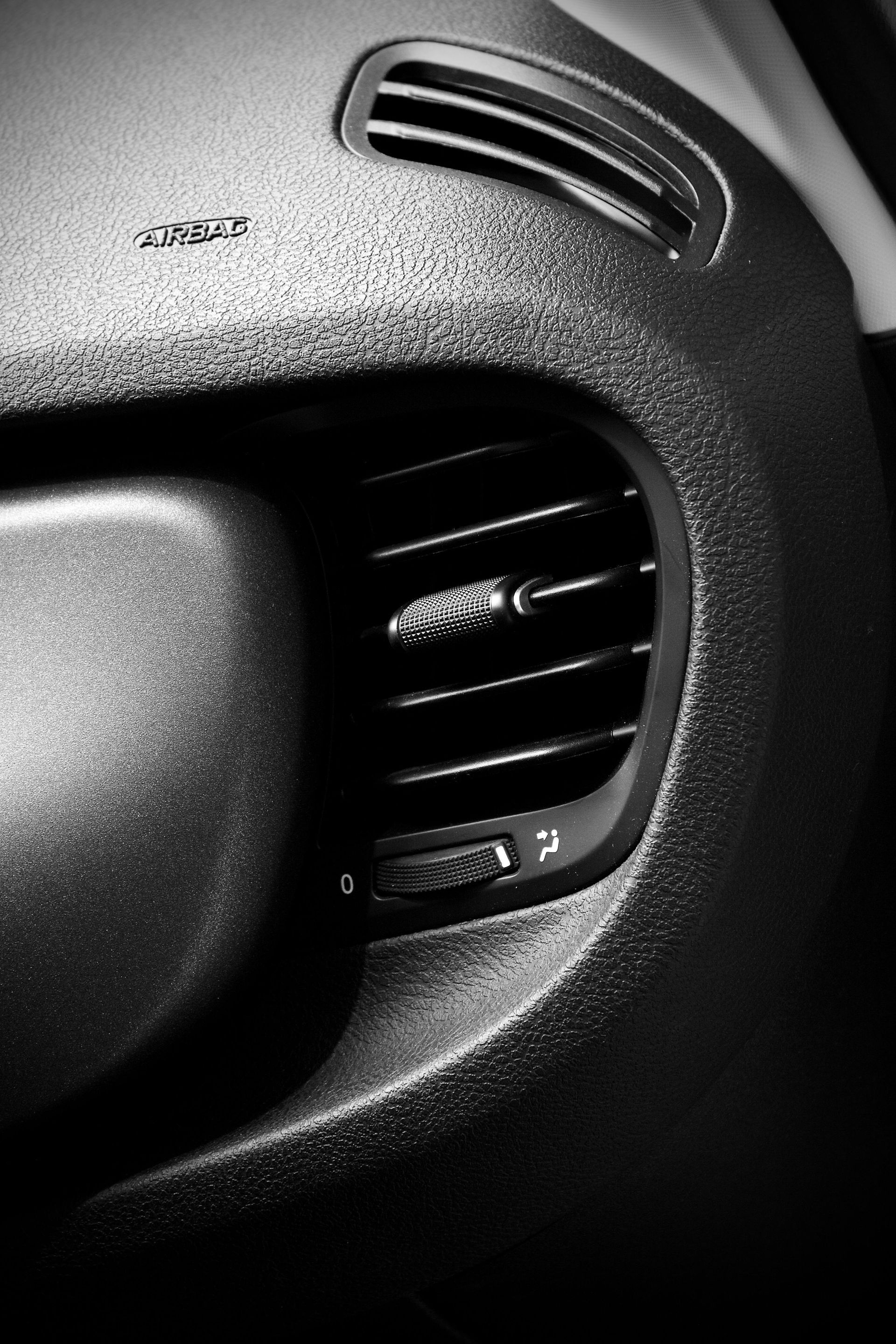
How AC Systems Restore Cabin Comfort
Proper AC repair requires identifying which component has failed rather than simply adding refrigerant to a leaking system. Refrigerant leaks occur most frequently at hose connection points where rubber seals deteriorate from heat cycling, at the evaporator core hidden behind the dashboard where road salt accelerates corrosion, and at the condenser mounted in front of the radiator where road debris causes punctures. Each leak location requires different access procedures—condenser replacement is straightforward, while evaporator replacement requires dashboard removal and represents a full-day repair.
Once repairs address the failed component and the system is recharged to manufacturer specifications, you'll feel strong, cold airflow from all vents within minutes of starting the vehicle, temperature inside the cabin drops quickly even when parked in direct sun, and the system maintains consistent cooling during highway driving and stop-and-go traffic. Humidity that previously fogged windows disappears as the evaporator removes moisture from incoming air.
AC work includes inspecting the cabin air filter for restriction, checking blend door operation to verify temperature control accuracy, and testing blower motor speed at all fan settings. Some cooling complaints trace to blend doors stuck in the heat position rather than actual AC system failure, and misdiagnosis leads to unnecessary compressor replacement.
Answers to Frequent Service Questions
Drivers throughout Wicomico County often have similar concerns about AC repairs, particularly regarding refrigerant types and seasonal maintenance timing.
What causes AC systems to blow cold initially then warm up after twenty minutes?
This pattern indicates the evaporator core is icing over due to low refrigerant charge causing excessive pressure drop, a stuck thermal expansion valve failing to regulate refrigerant flow, or a failing compressor clutch cycling too frequently and preventing stable system pressure.
How do you locate refrigerant leaks in AC systems?
Leaks are located using UV dye added to the refrigerant that glows under black light, electronic leak detectors that sense refrigerant molecules in air, and nitrogen pressure testing for leaks too small to detect with refrigerant—each method applies to different leak rates and system conditions.
Why does AC performance drop during idle but improve at highway speeds?
This symptom points to insufficient airflow across the condenser due to a failing radiator fan, blocked condenser fins restricting heat dissipation, or a weak compressor unable to maintain pressure when engine RPM drops to idle speed.
When should vehicles receive AC inspections to prevent summer failures?
Schedule inspections in early spring before temperatures climb, allowing time to order parts and complete repairs before peak cooling demand—Salisbury's humid climate places continuous load on AC systems from late May through September, and failures during that period leave vehicles unusable for days while parts arrive.
What factors determine whether AC systems should be repaired or replaced?
Repair individual components when the compressor still builds pressure and the evaporator and condenser are leak-free, but replace the entire system when the compressor has failed internally and scattered metal debris throughout the lines, contaminating components that cannot be flushed clean.
Triple-D Mobile Repair Service handles AC repairs for personal vehicles and the work trucks where driver comfort affects productivity during outdoor summer operations. Contact us for AC system diagnosis when cooling performance begins declining before complete failure occurs.