
Stops That Work When You Need Them
Brake Repair in Salisbury for squeaking, grinding, reduced stopping power, and vibration during braking
Squeaking that transitions to grinding means brake pads have worn through their friction material and metal backing plates now contact the rotor directly. Triple-D Mobile Repair Service inspects brake pads, rotors, calipers, and brake system components throughout Salisbury, addressing performance changes before they escalate into hydraulic failures or total braking loss. Drivers notice reduced stopping power, vibration through the pedal, or a spongy feel that signals air in the hydraulic lines or failing calipers that no longer apply even pressure.
Brake service evaluates pad thickness, rotor surface condition, caliper piston operation, and brake fluid contamination that affects hydraulic pressure. When rotors show heat scoring or uneven wear patterns, they require machining or replacement to restore smooth contact with new pads. Hydraulic and mechanical brake system issues often develop simultaneously, so inspection covers both friction components and the lines delivering pressure to each wheel.
Arrange a brake system inspection to identify what's causing changes in your stopping performance.
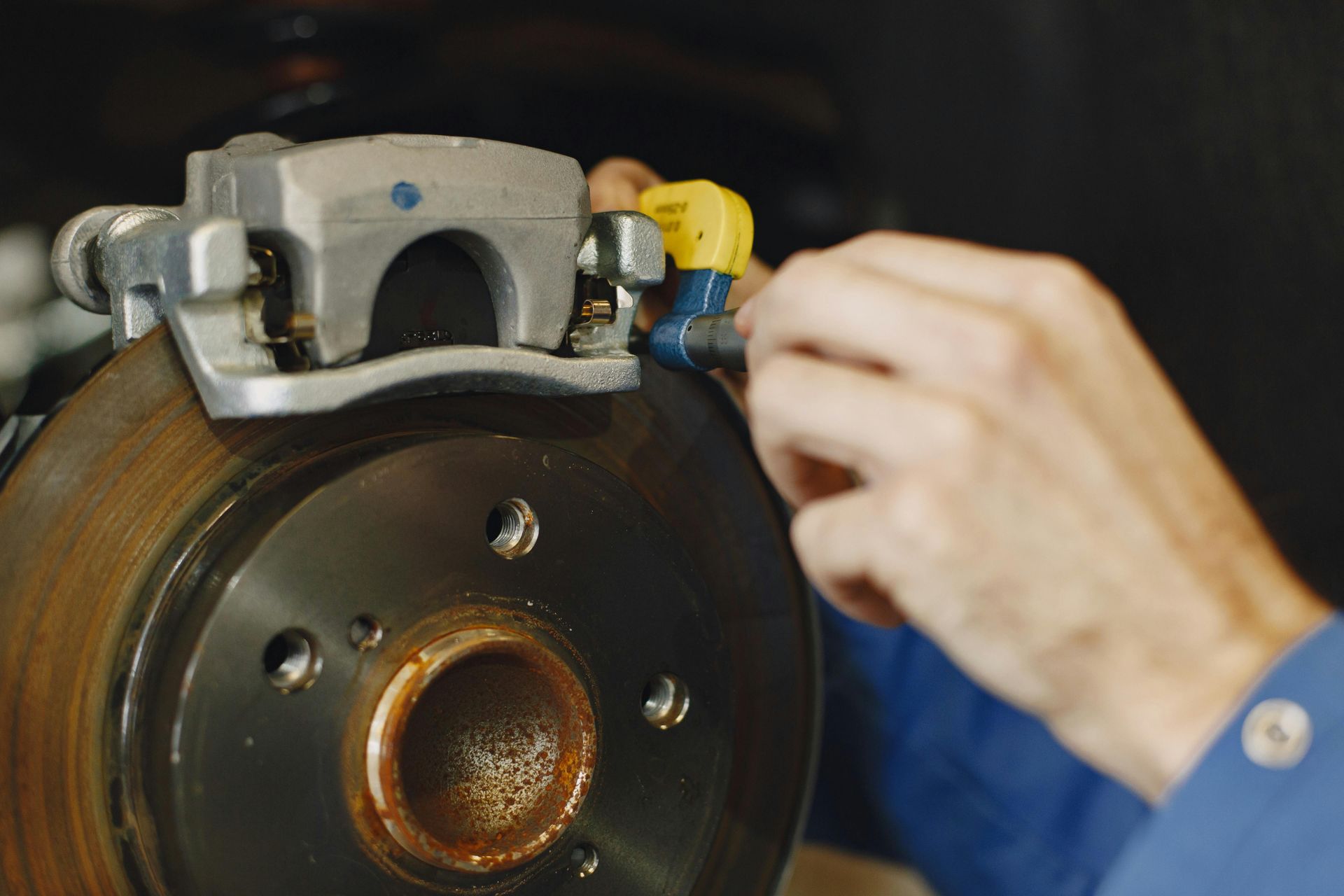
Why Proper Brake Repair Requires Complete System Evaluation
Replacing pads without inspecting rotors, calipers, and hydraulic lines leaves underlying problems unresolved. Brake repair addresses the friction surfaces that generate stopping force and the hydraulic components that distribute pressure evenly across all wheels. Triple-D Mobile Repair Service services both everyday drivers and work vehicles, where heavier loads and frequent stops accelerate wear on pads, rotors, and calipers.
After brake repairs finish, your vehicle stops smoothly without pulling to one side, pedal vibration disappears, and you no longer hear grinding or squealing during normal braking. The pedal feels firm underfoot with consistent resistance, and stopping distances return to predictable levels. Dashboard warning lights related to brake system faults no longer illuminate during routine driving.
Timely brake maintenance extends the lifespan of rotors and calipers by addressing pad wear before metal-on-metal contact damages more expensive components. Waiting until grinding starts often means rotors require replacement instead of resurfacing, and caliper pistons seize when exposed to metal shavings circulating through the brake fluid. Inspections whenever braking performance changes catch problems while repairs remain straightforward and cost-effective.
Answers to Common Brake Service Questions
Understanding what affects brake performance helps you recognize when inspection is necessary and what repairs actually accomplish.
What causes brakes to squeak even when pads still have material remaining?
Glazing from excessive heat, moisture between the pad and rotor, or brake dust accumulation can all produce noise without indicating immediate failure, though inspection confirms whether deeper issues exist.
How do you know when rotors need replacement versus resurfacing?
Rotors below minimum thickness specifications or those with deep heat cracks and scoring require replacement, while surface-level wear often responds to machining that restores smooth contact.
Why do brakes sometimes pull to one side during stops?
Uneven caliper pressure, a seized piston on one wheel, or contaminated brake fluid preventing equal hydraulic force distribution all cause pulling that worsens as the underlying issue progresses.
Does brake fluid quality affect stopping performance?
Contaminated or moisture-laden fluid lowers the boiling point and introduces air into the hydraulic system, causing spongy pedal feel and reduced braking force under heavy use.
When should work vehicles receive brake inspections in Salisbury?
Vehicles hauling equipment or towing trailers generate significantly more brake heat and pad wear, so inspections every six months prevent unexpected failures during loaded operation.
Triple-D Mobile Repair Service diagnoses the specific components affecting your braking reliability and explains which repairs improve safety versus which can wait for scheduled maintenance. Call (443) 413-3040 to arrange an inspection before braking issues compromise your safety.